Cling
“Clinging feels like love in the moment, but true connection grows from choice, not panic.”
Have you ever caught yourself checking your phone over and over, waiting for a reply?
You might notice those anxious thoughts: if I don’t hear back, maybe they’re not interested after all.
Or maybe it’s someone in your life who comes across as clingy. That can feel confusing, frustrating, or just exhausting. You might wonder why they always need reassurance, find it tough to give you space, or get anxious when you’re not available.
A lot of people call this “being clingy,” but it’s rarely as simple as just wanting too much. More often, it’s about the fear of loss, rejection, or abandonment.
This blog aims to shed light on these behaviors… without excusing them.
Instead of seeing clinginess as a personality flaw, we can look at these actions as someone’s way of trying to meet a basic human need for connection and love.
When someone is afraid of losing an important relationship, they might think that constant contact, frequent check-ins, or always being available will keep things secure. These actions might calm their anxiety for a little while, but rarely provide the lasting closeness they’re actually seeking.
Clinginess isn’t a fixed trait or a personal failing. It’s a set of behaviors someone uses because they believe it might help them feel loved and connected.
When we’re afraid of losing someone, it’s easy to think that staying close, seeking reassurance, or checking in constantly will make the relationship safer. But while these behaviors can quickly ease anxiety, they don’t usually create the kind of real, secure connection we want in the long term.
Why Does Clinginess Happen?
Clinginess develops when there is a gap between the relationship a person wants/expects and the relationship they believe they have.
People carry an internal picture of the relationships they want. When there is a significant gap between the relationship they desire and the relationship they believe they have, they may experience emotional distress.
A clingy partner, friend, or family member may be trying to bridge that gap by seeking more closeness than you are comfortable giving.
Some reasons this gap can feel especially large include:
Feeling disconnected from someone important.
Believing happiness depends on another person’s attention.
Trying to reduce uncertainty by seeking reassurance.
Attempting to control circumstances that are ultimately outside one’s control.
The behavior may be influenced by beliefs such as:
"If we spend more time together, I'll feel secure."
"If they reassure me enough, I'll know they care."
"If I keep checking in, they won't leave me."
"If I can keep the relationship close enough, I can prevent rejection."
From this perspective, the issue isn’t simply needing closeness; it’s believing another person’s behavior is the only way to meet that need.
Understanding these beliefs can help you respond with empathy, while also recognizing that it is not your responsibility to remove another person's fears.
How Does Clinginess Affect Connection?
Healthy relationships grow through connection, not control. When Clingy behaviors become attempts to control another person’s actions by implying or expecting constant contact, frequent check-ins, or always being available, can unintentionally weaken the relationship by undermining the other person's needs and independence.
These patterns may lead to:
Increased tension.
Less trust.
Reduced sense of freedom.
Emotional exhaustion.
More conflict instead of more closeness.
Ironically, the behaviors intended to create connection can sometimes push people farther apart. Recognizing this pattern gives space for partners to respond thoughtfully rather than react emotionally. You can choose behaviors that foster connection while maintaining healthy boundaries, remembering that a strong relationship is built on mutual respect, trust, and personal responsibility, not on control.
Building Healthier Connection: What Each Person Can Do
Healthy relationships are built on connection, not control. Whether you identify more with the person seeking reassurance or the person feeling overwhelmed by another’s clinginess, the healthiest changes begin by focusing on your own choices rather than trying to change someone else.
1. Focus on What You Can Control
We can only control our own thoughts, actions, and behaviors; fighting to control others only exhausts you and others.
If you struggle with clinginess:
Instead of asking, “How can I get them to reassure me?” ask yourself, “What can I do today that supports my own well-being and sense of security?”
If you are supporting a clingy partner or loved one:
Instead of asking, “How can I stop them from being clingy?” ask yourself, “How can I respond with kindness while maintaining healthy boundaries?”
When both people focus on changing themselves rather than controlling each other, relationships become healthier and more respectful.
2. Recognize the Need Behind the Behavior
Clingy behaviors are often an attempt to meet the need for connection and love.
If you are experiencing these feelings, try to understand what need is driving the behavior. Are you looking for reassurance, security, acceptance, or connection?
If you are on the receiving end of clingy behavior, remember that understanding the need behind someone’s actions does not mean you have to accept unhealthy behavior. You can respond with empathy while still protecting your own well-being.
For example: “I can see you’re feeling anxious about us. I care about you, and I’d like us to talk about what’s making you feel that way.”
Empathy helps people feel heard. It does not require you to solve their feelings for them.
3. Meet Emotional Needs in Healthy Ways
No single person can meet all of another person’s emotional needs.
Healthy relationships are stronger when both people have a variety of meaningful connections, including:
Family: Family time can meet needs for connection, comfort, and security without the need ot fight for attention.
Friends: Friends provide safe, outside-the-relationship support so emotional needs like validation and connection don’t get funneled into one person.
Hobbies: Hobbies help meet needs for clarity, independence, and self-expression while reducing the urge to cling during stressful or uncertain times.
Community groups: Community groups offer a sense of belonging and support, meeting emotional needs for connection in a healthy way.
Meaningful work: Meaningful work can be a healthy way to meet emotional needs for accomplishment, self-worth, and individuality. By nurturing your own growth and sense of purpose, you support your emotional well-being without relying solely on a partner for validation or stability.
Personal interests: Investing in your own interests is a healthy way to meet emotional needs for self-worth and autonomy, helping you strengthen your sense of identity and satisfaction. This helps you feel more emotionally balanced and secure, so you’re not relying solely on your partner to feel fulfilled or valued.
Volunteering: Volunteering meets emotional needs for purpose and connection, helping you feel valued and less alone.
Faith or spirituality: It can also be a powerful source of comfort and grounding. Turning to faith, whether through prayer, meditation, or simply trusting in something greater than yourself, can help ease anxiety and foster a deeper sense of security. When emotional needs feel overwhelming, reconnecting with your beliefs or spiritual practices can offer reassurance and strength beyond what any single relationship can provide.
Having multiple sources of connection reduces pressure on the relationship and helps both people maintain a healthy sense of independence.
4. Practice and Build Connection
Connection grows when we use skills that help us relate to others, which is why it is important to develop these skills:
Listening
Supporting
Negotiating differences
Respecting boundaries
These habits help people feel valued without relying on criticism, pressure, guilt, or control.
Ask yourself: “Is my action helping the connection, or am I trying to make the other person behave differently?”
5. Replace Control with Healthy Communication
When anxiety or frustration increases, it is easy to fall into controlling behaviors.
Someone feeling overwhelmed might:
Withdraw without explanation.
Ignore messages.
Become critical or defensive.
Avoid difficult conversations.
Someone experiencing clinginess might:
Demand reassurance.
Expect immediate replies.
Monitor another person’s availability.
Use guilt to gain attention
It's not often that these responses strengthen the relationship or the connection between people.
Instead, practice transparent, respectful communication by expressing your needs clearly while remaining curious about the other person’s experience.
For the person who is receieving clingy behaviors replace:
Withdraw without explanation → clarify
Ignore messages → respond
Become critical or defensive → listen
Avoid difficult conversations → address
For the person who is expressing clinginess, replace with:
Reassurance → clarity
Immediate replies → timing
Monitor availability → inquiry
Use guilt for attention → accountability
Replacing these habits with healthier options strengthens trust, reduces escalation, and helps emotional needs get met more consistently.
6. Set Healthy Boundaries
Healthy attachment includes both closeness and independence.
If you are the person seeking reassurance, remember that giving someone space does not necessarily mean they care about you less.
If you are supporting someone who feels clingy, communicate your boundaries with warmth and consistency.
For example: “I really enjoy spending time with you, and I also need some quiet time to recharge. Taking time for myself doesn’t change how much I care about you.”
Boundaries are not punishments. They create relationships where both people can feel respected and emotionally safe. If you want to dive deeper into boundaries, check out my blog post on the topic.
7. Be Consistent
Trust grows through consistency.
If you promise to call, follow through.
If you need space, communicate it rather than disappearing.
If you’re feeling anxious, express your feelings honestly instead of expecting the other person to guess what you need.
Predictable and respectful behavior helps reduce uncertainty and strengthens emotional safety over time.
A Final Thought
Lasting relationships aren’t built by changing someone else; they’re built by changing how we choose to show up and connect.
Whether you’re the one seeking reassurance or the one supporting someone who is, secure attachment grows through empathy, honest conversations, caring habits, clear boundaries, and taking responsibility for what’s within your control.
Try looking at clinginess with curiosity rather than judgment. Instead of “Why am I so clingy?” or “Why are they so clingy?” ask: “What need am I trying to meet here, and are my choices actually helping? ” or “ How can I respond in a way that respects both my needs and theirs?”
When we focus on our own responsibility, nurture respectful relationships, and meet our emotional needs through healthy connections, we create relationships grounded in real trust—not fear.
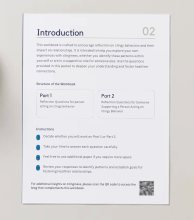
A workbook to help you understand clingy patterns and replace them with calmer, healthier connection skills. You’ll learn how to meet emotional needs without pressure, demands for reassurance, or ignoring your own needs, so you can feel secure, communicate clearly, and build more balanced relationships.